

You might wonder if alco panel sheets really outshine traditional cladding. The answer is yes, in many cases, you will find that an aluminum composite panel offers better value. The global market for these panels reached about $6.67 billion in 2024 and continues to grow quickly. Their popularity comes from being lightweight, durable, and fire-resistant.
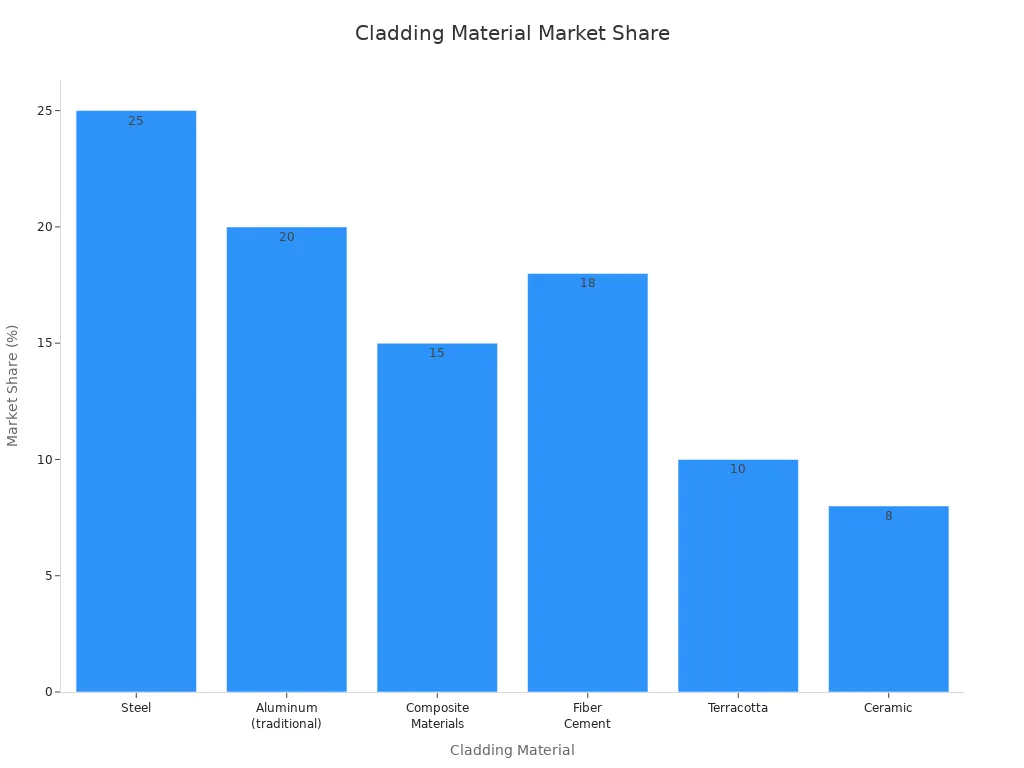

Consider these main advantages of using an acp or alco panel sheet:
- Lightweight design makes installation easier.
- ACP needs little maintenance and lasts over 50 years.
- You get many design choices, from wood patterns to metallic finishes.
- Aluminum composite panel resists fire, water, and insects.
If you want a cladding solution that saves money, stands up to weather, and looks great, acp often becomes the best pick.
What Is an Alco Panel Sheet (Aluminum Composite Panel)?

Alco panel sheets, also known as aluminum composite panels, have changed the way you see building exteriors and interiors. These panels use a composite structure that combines two thin aluminum sheets with a non-aluminum core. This design gives you a lightweight material that is strong, flexible, and easy to use. You will often hear people call them ACP, which stands for aluminum composite panel.
Key Features of Aluminium Composite Panels
When you look at the key features of aluminium composite panels, you notice how the composite structure makes them stand out. Here is how manufacturers create these panels:
- They prepare the raw materials, melting the polyethylene core and cleaning the aluminum coils.
- The aluminum receives a special coating to protect against corrosion and improve surface quality.
- The composite structure forms when the aluminum sheets sandwich the core under high pressure and temperature.
- A protective film is added to resist scratches, stains, UV rays, and moisture, making the panels last longer.
- You can choose from many surface finishes, such as matte, glossy, or brushed, to match your design needs.
- Each aluminum composite panel goes through strict quality checks to ensure strength and a flawless finish.
This process creates a lightweight, durable, and weather-resistant product. You get a panel that is easy to install and maintain. The composite structure also helps with fire resistance and sound insulation, making ACP a smart choice for many projects.
Typical Applications of ACP
You will find aluminium composite panels in many places because of their versatility. Here are some common applications:
- Exterior usages like aluminum composite panel facade and cladding for commercial buildings.
- Facade usage in modern homes to give a sleek, updated look.
- Interior design, including wall partitions, false ceilings, and soundproofing.
- Furniture, such as wardrobes, bookshelves, and cabinets, where lightweight and durability matter.
- Signage, both indoors and outdoors, because aluminum composite sheets resist weather and fading.
- Commercial vehicle interiors, including buses and trains, where a lightweight composite is important.
ACP works well for both residential and commercial projects. You can use these panels for beautification, protection, and even sound control. Their composite structure and lightweight design make installation quick and easy. With so many colors and finishes, you can match almost any style. The durability and low maintenance of aluminum composite panels make them a top choice for architects and builders.
Traditional Cladding Materials Overview
When you look at building materials for cladding, you find many options. Each material has its own strengths and weaknesses. You can see some of the most common exterior cladding materials in the table below:
| Cladding Material | Description and Typical Use |
|---|---|
| Wood | Natural look, warmth, used in homes, needs care, less fire-resistant. |
| Stone | Durable, weather-resistant, elegant, used in high-end buildings, heavy and costly. |
| Brick | Classic, durable, low maintenance, traditional style. |
| Vinyl | Affordable, easy to care for, many colors and styles. |
| Metal | Modern, strong, shaped in many forms, used in commercial buildings. |
| Glass | Sleek, lets in light, used in modern designs. |
| Composite | Mix of natural and synthetic materials, lightweight, durable, many finishes. |
You will often see these materials used in building cladding systems. Now, let’s look at three popular traditional cladding materials in more detail.
Plywood
Plywood is a common choice for exterior cladding. You get plywood by gluing thin layers of wood together. This process makes the material strong and flexible. Many builders use plywood because it is easy to cut and shape. You can paint or stain plywood to match your design. Plywood works well for both homes and small commercial buildings. However, you need to protect it from water. If plywood gets wet, it can swell or rot. Regular maintenance helps plywood last longer.
WPC (Wood Plastic Composite)
WPC stands for wood plastic composite. You get WPC by mixing wood fibers with plastic. This blend creates a material that looks like wood but resists water and insects. WPC is a good choice for exterior cladding because it does not warp or crack easily. You do not need to paint or stain WPC. It comes in many colors and finishes. WPC is also lighter than solid wood, so you can install it quickly. Many people choose WPC for its low maintenance and long life.
HPL (High Pressure Laminate)
HPL, or high pressure laminate, is another popular cladding material. You get HPL by pressing layers of paper and resin under high heat and pressure. This process creates a hard, smooth surface. HPL panels resist scratches, stains, and weather. You can find HPL in many colors and patterns. HPL works well for both interior and exterior cladding. You can clean HPL easily with just soap and water. Many schools, hospitals, and offices use HPL because it is strong and easy to care for.
Tip: When you choose building materials for cladding, think about the climate, design, and how much care you want to give your exterior cladding.
PVC Panels
You may see PVC panels used in many modern buildings. These panels use polyvinyl chloride as the main material. You get a lightweight and affordable option for cladding. PVC panels resist water and do not rot. You can clean them with just soap and water. Many people choose PVC panels for bathrooms, kitchens, and even some exterior cladding projects.
PVC panels come in many colors and patterns. You can find panels that look like wood or stone. This gives you more design choices. You do not need to paint or stain these panels. They keep their color for many years. PVC panels are easy to install. You can cut them with simple tools. You can also fit them together with tongue-and-groove edges.
Note: PVC panels do not offer the same fire resistance as aluminum panels. You should check local building codes before using them for large projects.
Stone Cladding
Stone cladding gives your building a classic and strong look. You use natural stone or stone veneers as the main materials. Stone cladding stands up well to weather and lasts for decades. Many people like the rich texture and color of real stone. You often see stone cladding on high-end homes and public buildings.
Stone cladding is heavy. You need strong support and skilled workers to install it. The cost is higher than many other building materials. You may also need to clean and seal the stone to keep it looking good. Stone cladding works best when you want a bold and timeless design.
Solid Aluminum Panels
Solid aluminum panels give you a modern and sleek finish. You get a strong and durable material that resists rust and corrosion. These panels work well for both interior and exterior cladding. You can choose from many colors and finishes. Solid aluminum panels are easy to shape and cut for custom designs.
You will notice that solid aluminum panels weigh more than aluminum composite panels. This means you may need extra support during installation. The cost is also higher than composite options. Still, you get a long-lasting and low-maintenance solution. Many architects use solid aluminum panels for large buildings and special features.
Tip: When you compare building materials, think about the weight, cost, and look you want. Aluminum panels often give you the best mix of style and strength.
Alco Panel Sheet vs. Plywood
Durability and Weather Resistance
When you compare alco panel sheet and plywood, you see a big difference in durability and weather resistance. ACP stands out because it resists warping, rotting, and pest damage. These problems often affect plywood, especially when exposed to rain or humidity. You do not have to worry about termites or mold with an aluminum composite panel. The composite structure makes ACP highly resistant to weather. It keeps its shape and strength even after years of sun, rain, or snow.
- ACP panels resist warping, rotting, and pest damage.
- You do not need to seal or paint ACP to keep it strong.
- ACP maintains its appearance and function over time, even in harsh weather.
- The resistance to weather and pests gives ACP a longer lifespan than wood cladding.
Plywood, on the other hand, can swell, crack, or decay if it gets wet. You need to protect it with coatings or sealants. Even then, plywood may not last as long in tough weather. If you want building materials that are highly resistant to weather and offer long-term durability and strength, ACP is the better choice.
Maintenance and Longevity
You will find that maintenance needs for ACP are much lower than for plywood. An aluminum composite panel only needs regular cleaning to keep its finish looking new. You do not have to worry about repainting, sealing, or treating it for pests. Most ACP panels last between 40 and 50 years. Some manufacturers even offer limited lifetime warranties. This long lifespan comes from the composite core, which resists moisture, chemicals, and extreme weather.
Plywood needs much more care. You must seal, polish, or paint it often to prevent swelling, mold, or termite damage. In humid places, plywood can rot or lose its strength quickly. The maintenance costs add up over time. Plywood’s lifespan depends on how well you care for it, but it is usually shorter than ACP. If you want a cladding solution that saves you time and money on upkeep, ACP is the smarter pick.
Tip: ACP panels do not warp or swell with humidity changes. They also help stop mold growth, making them ideal for wet or coastal areas.
Cost Comparison
You might notice that ACP has a higher initial cost than plywood. However, you need to look at the long-term costs as well. The table below shows how the costs compare:
| Feature | Aluminum Composite Panels (ACP) | Plywood |
|---|---|---|
| Initial Cost | Higher upfront cost | Lower initial cost |
| Long-term Cost | Lower due to minimal maintenance needs | Higher due to ongoing sealing, polishing, and pest control |
While you pay more at first for ACP, you save money over time. You do not need to spend on sealing, painting, or repairs. Plywood may seem cheaper at the start, but the extra maintenance and repairs make it more expensive in the long run. If you want a cost-effective solution for your cladding project, ACP offers better value over the life of your building.
Aesthetics and Design Flexibility
You want your building to look good and stand out. When you use aluminium composite panels, you get many choices for color, texture, and finish. You can pick panels that look like wood, stone, or even metal. Some panels have a glossy shine, while others have a matte look. This versatility helps you match any style, from modern offices to cozy homes.
Plywood gives you a natural wood look. You can paint or stain it, but the options are limited. Over time, plywood may fade or show marks from weather. If you want a bold design or a unique pattern, plywood may not give you enough flexibility.
With an aluminum composite panel, you can create curves, waves, or special shapes. The panels bend easily without breaking. Architects and designers love this feature because it lets them try new ideas. You can use ACP for both inside and outside walls. The panels keep their color and finish for many years, even in strong sun or rain.
Note: If you want a building that looks fresh and modern, aluminium composite panels offer more versatility than plywood.
Installation Process
You want a cladding material that saves you time and effort during installation. ACP panels are lightweight, so you can carry and lift them without much trouble. You can cut the panels with simple tools. The panels fit together with special clips or frames. This makes the process fast and clean.
Plywood is heavier and harder to handle. You need to use nails, screws, or glue to attach it. Sometimes, you must add extra support to keep the plywood in place. If the plywood gets wet during installation, it may swell or warp. This can slow down your project.
Here is a quick comparison:
| Feature | Aluminium Composite Panels | Plywood |
|---|---|---|
| Weight | Light | Heavy |
| Cutting and Shaping | Easy | Moderate |
| Installation Speed | Fast | Slower |
| Special Tools Needed | Few | More |
| Weather Sensitivity | Low | High |
You can finish a project with ACP in less time. You also make less mess and need fewer workers. This helps you save money and avoid delays.
Verdict: When to Choose ACP
You should choose an alco panel sheet when you want a cladding material that lasts long, looks great, and needs little care. Aluminium composite panels work well for both homes and businesses. They give you more design options and make installation easier. You also get better protection from weather, pests, and fire.
If you want a natural wood look and do not mind extra care, plywood can work for small projects. For most other uses, ACP gives you better value and more versatility. You can trust aluminum composite panels to keep your building safe and stylish for many years.
Tip: For large projects, busy areas, or places with harsh weather, ACP is the smart choice.
Alco Panel Sheet vs. WPC
Durability and Moisture Resistance
When you compare alco panel sheets and WPC, you see both offer strong durability, but they perform differently in certain environments. WPC is a composite material made from wood fibers and plastic. It resists moisture, rot, and fungus. This makes WPC a good choice for humid, rainy, or coastal areas. You do not have to worry about termites or UV damage with WPC. It also handles temperature changes well, so it does not crack or warp in hot or cold weather. Many people use WPC for outdoor cladding because it stands up to snow, rain, wind, and sun.
Alco panel sheets, also known as ACP, use a multi-layer composite structure. The aluminum layers and core board make ACP waterproof and moisture-proof. You get excellent weather resistance from the special coatings on the surface. These panels keep their rigidity and waterproofing for over 20 years, even in harsh climates. Proper sealing between panels helps prevent leaks. ACP works well for both indoor and outdoor applications. You can trust ACP to keep its shape and strength, even after years of exposure to the elements.
Tip: If you want building materials that last in wet or extreme climates, both WPC and ACP are strong choices. ACP offers extra protection with its metal core and coatings.
Maintenance Needs
You want cladding that looks good and stays strong with little effort. ACP panels need very little maintenance. You only need to wipe the surface with a clean cloth to remove dust and dirt. This simple cleaning keeps the panels looking new for many years. You do not have to worry about mold, mildew, or stains. The surface coatings protect the panels from fading and damage.
WPC panels need a bit more care. You should sweep or vacuum debris with a soft brush. Wash the panels with mild soap and water using a soft cloth or sponge. For tough stains, you can use special WPC cleaners or natural solutions like vinegar and water. Always rinse and dry the panels to prevent water spots. Regular cleaning helps stop mold and mildew from growing. This keeps your WPC cladding looking fresh and extends its durability.
Note: ACP saves you time and effort on upkeep. WPC needs more regular cleaning, but both options are easier to maintain than traditional wood.
Cost and Value
When you look at cost, you should think about both the price you pay at first and the money you spend over time. ACP usually costs more upfront than WPC. The price reflects the advanced composite structure, special coatings, and long lifespan. However, ACP gives you great value because it lasts over 20 years with almost no maintenance. You save money on repairs, cleaning, and replacements.
WPC has a lower initial cost. It offers good durability and resists many problems that affect wood. You may spend more time and money on cleaning and care, especially in areas with lots of dirt or moisture. WPC works well for many outdoor projects, but it may not last as long as ACP in harsh climates or high-traffic areas.
Here is a quick comparison:
| Feature | ACP (Alco Panel Sheet) | WPC (Wood Plastic Composite) |
|---|---|---|
| Initial Cost | Higher | Lower |
| Maintenance Cost | Very low | Moderate |
| Lifespan | 20+ years | 10-20 years |
| Durability | Excellent in all climates | Very good, best in mild climates |
| Value Over Time | High | Good |
If you want a cladding solution that is lightweight, durable, and cost-effective over the long term, ACP stands out. WPC is a solid choice for projects where you want a wood-like look and do not mind a bit more maintenance.
Appearance and Customization
You want your building to look unique and modern. Aluminium composite panels give you many choices for color, texture, and finish. You can pick panels that look like wood, stone, or even metal. Some panels have a glossy surface, while others have a matte or brushed finish. This wide range of options lets you match any style, from classic to futuristic.
WPC panels also offer several colors and wood-like finishes. You can use them to create a warm, natural look. However, WPC does not provide as many design choices as ACP. The patterns and colors in WPC are limited by the manufacturing process. If you want a bold or custom design, you may find ACP more flexible.
Here is a quick comparison:
| Feature | ACP (Alco Panel Sheet) | WPC (Wood Plastic Composite) |
|---|---|---|
| Color Options | Wide range, custom colors | Limited, mostly wood tones |
| Surface Finishes | Matte, glossy, brushed, metallic | Mostly matte, wood-like textures |
| Custom Shapes | Easy to curve, cut, or bend | Limited shaping, mostly flat |
| Printing/Graphics | Supports digital printing | Not suitable for detailed graphics |
Tip: If you want to add logos, patterns, or special graphics to your building, aluminum composite panels make it easy. You can print directly on the surface for eye-catching results.
Installation Ease
You want a cladding material that saves you time and effort during installation. ACP panels are lightweight and easy to handle. You can cut them with simple tools. The panels fit together using clips or frames, which makes the process fast and clean. You do not need many workers or special equipment. This helps you finish your project quickly.
WPC panels are also lighter than solid wood. You can install them with basic tools. However, WPC panels are not as flexible as ACP. You may need to use more fasteners or supports to keep them in place. If you want to create curves or special shapes, ACP is much easier to work with.
Here are some key points to remember:
- ACP panels are light and easy to lift.
- You can cut and shape ACP for custom designs.
- WPC panels are simple to install but less flexible for unique shapes.
- Both materials reduce installation time compared to traditional wood.
Note: Fast installation means you save money on labor and avoid long delays. ACP panels help you meet tight deadlines for both small and large projects.
Verdict: Best Use Cases for Aluminium Composite Panels
You should choose aluminium composite panels when you want a cladding solution that offers high versatility, durability, and design freedom. ACP works well for both exterior and interior applications. You can use it for building facades, signage, partitions, and even furniture. The composite structure gives you strength and weather resistance, making ACP a smart choice for harsh climates.
WPC is a good option if you want a natural wood look with low maintenance. It fits well in areas where you do not need many design changes or custom shapes. However, if you need a material that adapts to many styles and uses, ACP stands out.
Best use cases for ACP:
- Modern building facades with bold colors or graphics
- Commercial signage that needs weather resistance
- Interior walls and partitions with custom shapes
- Projects that require fast and easy installation
If you want a cladding material that combines beauty, strength, and flexibility, aluminium composite panels give you the best results for most modern applications.
Alco Panel Sheet vs. HPL
Strength and Impact Resistance
When you compare acp and high pressure laminate (HPL), you see both offer good strength for cladding. HPL panels work well in busy places like offices and hospitals. They resist scratches, knocks, and drops. The high-pressure process makes HPL tough and able to handle daily wear. You can trust HPL to keep its shape and look even when people bump into it or move furniture against it.
Acp panels use a special composite structure. This design gives them high-impact resistance. Scientific tests show that acp, especially those with fiber metal laminates, can handle strong hits and even high-speed impacts. You often see acp used in places where safety and durability matter, such as airports and shopping centers. The metal layers in acp help protect your building from damage caused by wind-blown debris or accidents.
Tip: If you want building materials that combine strength and high-impact resistance, both acp and HPL are smart choices for commercial settings.
Maintenance and Cleaning
You want cladding that stays clean and looks good with little effort. Acp panels have a smooth surface that resists dirt. You only need mild soap and water to clean them. This makes acp easy to care for, even in busy areas. You do not have to worry about sealing edges or special treatments.
HPL also cleans up well. You can wipe away stains and dirt with simple cleaners. However, HPL needs careful edge sealing. If water gets into the edges, the layers can separate over time. When HPL gets scratched or damaged, you often need to replace the whole panel. Acp does not have this problem, so you spend less time and money on repairs.
- Acp: Minimal upkeep, easy cleaning, no edge sealing needed.
- HPL: Easy to clean, but needs edge sealing and is harder to repair.
Note: Acp panels save you time on maintenance and last longer without extra care.
Price Point
Cost matters when you pick cladding. Acp usually costs less to install because it is lightweight and easy to handle. You can cut and shape acp on-site with basic tools. This saves you time and labor costs. HPL is heavier and needs special tools for cutting and fitting. You need skilled workers to install HPL, which can raise the price.
| Feature | ACP | HPL |
|---|---|---|
| Weight | Lightweight | Heavier |
| Installation Time | Fast | Slower |
| Expertise Needed | Basic | Specialized |
| Maintenance Cost | Low | Moderate to High |
You get more value from acp if you want a modern look, easy installation, and low upkeep. HPL works best when you want a natural finish and do not mind spending more on skilled labor.
Visual Appeal
You want your building to look modern and attractive. ACP panels give you a wide range of colors, textures, and finishes. You can choose glossy, matte, metallic, or even wood-like surfaces. This flexibility lets you match almost any design style. You can also print custom graphics or patterns on ACP panels. This makes them a favorite for creative projects.
HPL panels also offer many colors and patterns. You often see them in wood, stone, or solid color finishes. HPL gives a natural look that works well in schools, hospitals, and offices. However, you may find fewer options for custom graphics or metallic finishes.
Tip: If you want bold colors or unique designs, ACP panels give you more choices.
| Feature | ACP Panels | HPL Panels |
|---|---|---|
| Color Range | Very wide | Wide |
| Custom Graphics | Yes | Limited |
| Surface Finishes | Glossy, matte, metallic | Mostly matte, wood, stone |
| Design Flexibility | High | Moderate |
Installation Requirements
You want a cladding material that is easy to install. ACP panels are lightweight. You can carry and lift them with little effort. You can cut ACP panels with simple tools. The panels fit together using clips or frames. This makes installation fast and clean. You do not need many workers or special equipment.
HPL panels are heavier. You need more support and sometimes special tools to cut them. You must seal the edges to keep out water. This step adds time and cost to your project. You may need skilled workers for a good finish.
- ACP panels: Light, easy to cut, quick to install.
- HPL panels: Heavier, need edge sealing, slower to install.
Note: Fast installation saves you money and helps you finish your project on time.
Verdict: Which Is Better for Your Project?
You should choose ACP panels if you want a modern look, many design options, and easy installation. ACP works well for both outside and inside walls. You save time and money on labor and maintenance.
HPL panels fit best if you want a natural finish and do not mind extra care during installation. HPL is strong and resists scratches, so it works well in busy places.
Summary:
- Pick ACP for creative designs, fast installation, and low upkeep.
- Pick HPL for natural looks and high scratch resistance.
For most projects, ACP panels give you more value and flexibility.
Alco Panel Sheet vs. PVC Panels
Durability and Fire Safety
When you look at cladding materials, you want something that lasts and keeps your building safe. ACP panels stand out for their durability. They resist corrosion, harsh weather, and UV rays. PVC panels are lighter and easy to handle, but they can crack or fade after a few years outside.
Fire resistance and safety matter a lot in building design. ACP panels with fire-resistant cores can reach high safety classes like A2 or B1, which means they are hard to burn and slow to catch fire. PVC panels, on the other hand, are usually combustible and fall into lower safety classes. The table below shows how these materials compare:
| Fire Safety Class | Description | ACP Panels | PVC Panels |
|---|---|---|---|
| A2 | Non-combustible | Fire-resistant core ACP | Not applicable |
| B1 | Flame-retardant | Some ACP | Not applicable |
| B2/B3 | Combustible/Flammable | PE core ACP, similar to PVC | Most PVC panels |
You should know that ACP panels with polyethylene cores can be as risky as PVC in a fire. Always check the core type before choosing ACP for your project.
Note: Fire-resistant ACP panels offer much better protection than PVC panels, especially in high-rise or public buildings.
Maintenance and Lifespan
You want cladding that stays strong and looks good for years. ACP panels can last over 40 years if you install and maintain them well. They resist pests, do not warp, and keep their color. You only need to clean them sometimes to keep them looking new.
PVC panels have a shorter lifespan. They can crack if you mount them too tightly, and their color may fade in the sun. Even with careful installation, PVC panels usually do not last as long as ACP. You may need to replace them sooner, especially in harsh weather.
Tip: If you want a cladding material that saves you time and money on repairs, ACP panels are a better choice for long-term use.
Cost Analysis
Cost is important when you plan your project. PVC panels cost less at first. They are a good choice for small or temporary projects. You can install them quickly and do not need special tools.
ACP panels cost more upfront because they use higher-quality materials and need careful installation. However, you save money over time because they last longer and need less maintenance. For large buildings or places where you want a premium look, ACP panels give you better value in the long run.
- PVC panels: Lower initial cost, higher chance of early replacement.
- ACP panels: Higher initial cost, lower maintenance, longer lifespan.
If you want a cladding solution that balances cost and performance, think about the total value over the life of your building.
Aesthetic Options
You want your building to look attractive and modern. ACP panels give you many choices for color, texture, and finish. You can pick panels that look like wood, stone, or even metal. Some panels have a glossy shine, while others have a matte surface. You can even print custom graphics or company logos on ACP panels. This helps you create a unique design for your project.
PVC panels also come in different colors and patterns. You can find panels that look like wood or marble. However, the range of options is smaller than with ACP. PVC panels often look less realistic when you want a natural finish. The colors on PVC panels may fade faster in sunlight.
Tip: If you want bold colors, metallic finishes, or custom designs, ACP panels give you more freedom to create the look you want.
Installation Simplicity
You want a cladding material that saves you time and effort during installation. ACP panels are lightweight. You can lift and move them easily. You can cut ACP panels with simple tools. The panels fit together using clips or frames. This makes the process fast and clean.
PVC panels are also light and easy to handle. You can cut them with a saw or knife. Many PVC panels use a tongue-and-groove system, so you can snap them together quickly. You do not need special skills to install PVC panels.
Here is a quick comparison:
| Feature | ACP Panels | PVC Panels |
|---|---|---|
| Weight | Lightweight | Very lightweight |
| Cutting Tools | Simple tools | Simple tools |
| Installation Time | Fast | Very fast |
| Skill Level | Basic | Basic |
Note: Both materials are easy to install, but PVC panels may be a bit faster for small projects.
Verdict: Pros and Cons of ACP
You need to weigh the strengths and weaknesses before you choose. Here is a simple list to help you decide:
Pros of ACP:
- Many design and color options
- Strong and durable
- Fire-resistant (with the right core)
- Easy to clean and maintain
- Long lifespan
Cons of ACP:
- Higher initial cost
- Needs careful installation for best results
Pros of PVC Panels:
- Low cost
- Very easy and quick to install
- Lightweight
Cons of PVC Panels:
- Fewer design choices
- Lower fire resistance
- Shorter lifespan
If you want a cladding material that looks great, lasts long, and keeps your building safe, ACP panels are a smart choice for most projects.
Alco Panel Sheet vs. Stone Cladding

Strength and Weather Resistance
You want your building to stand strong against the elements. Alco panel sheets give you impressive strength for their weight. The aluminum layers protect the core from rain, wind, and sun. These panels resist bending and cracking. You can trust them in both hot and cold climates.
Stone cladding offers natural toughness. Real stone stands up to heavy impacts and harsh weather. You see stone on many historic buildings because it lasts for decades. However, stone can crack if the foundation shifts or if water seeps behind the panels and freezes.
| Feature | Alco Panel Sheet (ACP) | Stone Cladding |
|---|---|---|
| Impact Resistance | High | Very High |
| Weather Resistance | Excellent | Excellent |
| Weight | Lightweight | Heavy |
Tip: If you need a lightweight solution that still resists weather, ACP works well. For maximum strength and a classic look, stone cladding stands out.
Maintenance and Upkeep
You want cladding that stays beautiful with little effort. ACP panels need only simple cleaning. Wipe them with a damp cloth to remove dust or dirt. The surface resists stains and fading, so you do not need to repaint or seal them.
Stone cladding needs more care. Dirt and moss can build up in the joints. You may need to wash the stone with special cleaners. Sometimes, you must reseal the stone to keep out water. Cracks or chips may require professional repair.
ACP Maintenance Checklist:
- Wipe panels with a soft cloth
- Check for loose fasteners
- Inspect for dents after storms
Stone Cladding Maintenance Checklist:
- Clean joints and surface regularly
- Reseal every few years
- Repair cracks or chips as needed
Note: ACP panels save you time and money on upkeep. Stone cladding needs more attention to keep its natural beauty.
Cost and Budget Considerations
You want to manage your project budget wisely. ACP panels cost less to buy and install than stone cladding. The panels are light, so you do not need heavy support structures. You can finish installation quickly, which lowers labor costs.
Stone cladding costs more. The material is heavy and needs skilled workers for installation. Transporting stone adds to the expense. Repairs and maintenance also increase long-term costs.
| Cost Factor | Alco Panel Sheet (ACP) | Stone Cladding |
|---|---|---|
| Material Price | Moderate | High |
| Installation | Fast, low labor | Slow, skilled labor |
| Maintenance | Low | Moderate to High |
If you want a stylish look on a budget, ACP panels offer great value. Choose stone cladding if you want a luxury finish and do not mind higher costs.
Visual Impact
You want your building to stand out. Stone cladding gives you a classic and elegant look. The natural colors and textures of stone create a sense of luxury. You see stone on historic buildings, museums, and high-end homes. Each stone panel looks unique. The patterns and grains change from one piece to another. This gives your project a rich and timeless appearance.
Alco panel sheets offer a modern and sleek style. You can choose from many colors, finishes, and patterns. Some panels look like metal, wood, or even stone. You can print custom graphics or company logos on ACP panels. The surface stays bright and clean for years. If you want a bold or creative design, ACP panels give you more options.
Tip: Use stone cladding for a traditional look. Choose ACP panels for a modern or custom design.
| Feature | Stone Cladding | Alco Panel Sheet (ACP) |
|---|---|---|
| Appearance | Natural, unique | Modern, customizable |
| Color Range | Limited, earthy tones | Wide, vibrant colors |
| Texture | Rough, varied | Smooth, patterned |
Installation Complexity
You need to think about how easy it is to install your cladding. Stone cladding is heavy. You must use strong support structures. Skilled workers need special tools to cut and fit each piece. The installation takes a long time. You may need scaffolding and extra safety measures.
Alco panel sheets are lightweight. You can lift and move them easily. You cut ACP panels with simple tools. The panels fit together with clips or frames. You finish installation quickly. Fewer workers and less equipment are needed.
- Stone cladding: Heavy, slow, needs experts
- ACP panels: Light, fast, easy for most workers
Note: Fast installation saves you money and helps you meet deadlines.
Verdict: When to Use Stone or Aluminium Composite Panels
You should use stone cladding when you want a classic, luxurious look and do not mind higher costs or longer installation. Stone works best for historic buildings, luxury homes, or places where tradition matters.
Choose aluminium composite panels if you want a modern style, many design choices, and fast installation. ACP panels fit commercial buildings, schools, offices, and homes that need a fresh look.
Summary:
- Pick stone cladding for timeless beauty and prestige.
- Pick ACP panels for flexibility, speed, and creative designs.
If you want style and value, ACP panels often give you the best results for most projects.
Alco Panel Sheet vs. Solid Aluminum Panels
Durability and Structural Performance
You want cladding that stands up to tough conditions. Solid aluminum panels give you high strength and excellent rigidity. These panels handle heavy impacts and strong winds. You can use aluminum panels for large buildings or places with harsh weather. ACP also offers good durability. The composite structure combines two aluminum sheets with a core. This design makes acp lightweight but strong. You get panels that resist bending and cracking. ACP works well for most commercial and residential projects.
| Feature | ACP | Solid Aluminum Panels |
|---|---|---|
| Weight | Light | Heavy |
| Impact Resistance | Good | Excellent |
| Structural Strength | Moderate | High |
Tip: Choose solid aluminum panels for projects that need maximum strength. Pick acp when you want a balance of strength and easy handling.
Maintenance and Corrosion Resistance
You want cladding that stays looking new with little effort. Aluminum panels resist rust and corrosion. You do not need to paint or seal them often. Rain and sun do not damage the surface easily. ACP also resists corrosion because of its protective coatings. You only need to clean acp panels with mild soap and water. Both materials keep their color and finish for many years. You spend less time on repairs and upkeep.
- Aluminum panels: Wipe with a damp cloth to remove dirt.
- ACP: Clean with mild soap and water for a fresh look.
Note: Both aluminum panels and acp offer excellent corrosion resistance. You save money on maintenance over time.
Cost Comparison
You want to manage your budget wisely. Solid aluminum panels cost more than acp. The higher price comes from the thicker metal and extra weight. You also pay more for installation because aluminum panels need strong support. ACP costs less to buy and install. The lightweight design makes acp easy to transport and fit. You finish projects faster and save on labor.
| Cost Factor | ACP | Solid Aluminum Panels |
|---|---|---|
| Material Price | Lower | Higher |
| Installation | Fast, low labor | Slow, skilled labor |
| Maintenance | Low | Low |
If you want a cladding solution that fits your budget and timeline, acp gives you better value for most projects.
Aesthetic Versatility
You want your building to stand out. Alco panel sheets give you many choices for color, texture, and finish. You can select panels that look like wood, stone, or metal. Some panels have a glossy surface. Others have a matte or brushed look. You can even print custom graphics or company logos on ACP. This helps you create a unique design for your project.
Solid aluminum panels offer a modern and sleek style. You can choose from several colors and finishes. Most panels have a smooth, metallic look. You can shape them for special features, but you do not get as many patterns or printed designs as with ACP. If you want bold colors or creative graphics, ACP gives you more freedom.
Tip: Use ACP when you want a wide range of design options. Choose solid aluminum panels for a clean, metallic finish.
| Feature | Alco Panel Sheets (ACP) | Solid Aluminum Panels |
|---|---|---|
| Color Choices | Wide range | Moderate |
| Surface Finishes | Matte, glossy, textured | Mostly metallic |
| Custom Graphics | Yes | Limited |
| Design Flexibility | High | Moderate |
Installation Differences
You want a cladding material that saves you time and effort. ACP panels are lightweight. You can lift and move them easily. You cut ACP with simple tools. The panels fit together using clips or frames. You finish installation quickly. Fewer workers and less equipment are needed.
Solid aluminum panels are heavier. You need strong support structures. Skilled workers must use special tools to cut and fit each panel. The installation takes longer. You may need scaffolding and extra safety measures.
- ACP panels: Light, fast, easy for most workers.
- Solid aluminum panels: Heavy, slow, needs experts.
Note: Fast installation helps you save money and meet deadlines.
Verdict: Which Is More Practical?
You want a cladding solution that fits your project needs. ACP panels work well for most buildings. You get many design choices, easy installation, and good durability. The panels cost less and save you time. Solid aluminum panels give you extra strength and a sleek look. You pay more and spend more time on installation.
If you want style, speed, and value, ACP panels are the practical choice. Use solid aluminum panels for projects that need maximum strength or a pure metallic finish.
Summary:
- Pick ACP for flexibility, fast installation, and creative designs.
- Pick solid aluminum panels for strength and a modern look.
For most projects, ACP panels give you the best mix of style, cost, and performance.
Environmental Impact and Sustainability of ACP
Eco-Friendly Features of Aluminium Composite Panels
You want to choose building materials that help the planet. Aluminium composite panels offer several eco-friendly features. These panels improve energy efficiency in buildings. The insulation they provide keeps heat out in summer and holds warmth in winter. This means you use less energy for heating and cooling. Reflective coatings on the panels also lower heat absorption. Your air conditioning system does not have to work as hard, so you save even more energy.
Aluminium composite panels last a long time. They resist fire, rot, and pests. You do not need to paint or stain them often. This saves resources and reduces waste. Many manufacturers use recycled metals to make these panels. Using recycled content helps conserve natural resources and keeps waste out of landfills.
- Lower energy use from better insulation
- Reflective coatings reduce cooling needs
- Long lifespan means less waste
- Made with recycled metals
Environmental Considerations for Traditional Materials
Traditional cladding materials like stone, wood, or plywood have different impacts on the environment. Stone cladding requires a lot of energy to quarry and transport. Heavy stone also needs strong support, which uses more resources. Wood and plywood come from trees. Harvesting wood can lead to deforestation if not managed well. Wood cladding needs regular painting or sealing. These processes use chemicals and create extra waste.
Some traditional materials do not last as long as aluminium composite panels. You may need to replace them more often. This increases the demand for new resources and adds to landfill waste. When you look at the full life cycle, traditional options often have a higher environmental cost.
Verdict: Green Building Choices
You want your building to be both strong and sustainable. Aluminium composite panels give you a smart choice for green construction. Their energy-saving features, long life, and use of recycled content help lower your carbon footprint. You also reduce waste and save resources over time. For most modern applications, these panels offer a better balance between performance and environmental care than many traditional materials.
You have seen how alco panel sheet stands out for modern projects. Aluminum composite panel gives you over 90 finish options, better insulation, and easy installation. You save time and money with its lightweight design and low maintenance. For stores, homes, and renovations, aluminum composite panel works best when you want style and energy savings. If your project needs strict fire safety or heavy-duty strength, traditional panels may fit better.
| Project Type | Best Choice |
|---|---|
| Modern, energy-saving | Aluminum composite panel |
| Heavy-duty, fire-safe | Traditional panels |
Choose wisely to match your building’s needs and design goals.
FAQ
What makes Alco panel sheets different from regular aluminum panels?
You get a lightweight panel with a composite core. This design gives you better insulation and flexibility. Regular aluminum panels use solid metal, which weighs more and costs more to install.
Can you use Alco panel sheets for both indoor and outdoor projects?
Yes, you can use them for both. These panels resist weather, moisture, and UV rays. You see them on building exteriors, interior walls, ceilings, and even furniture.
How do you clean and maintain Alco panel sheets?
You only need mild soap and water. Wipe the surface with a soft cloth. You do not need special cleaners or treatments. The panels keep their color and finish for many years.
Are Alco panel sheets safe in case of fire?
Fire-resistant Alco panel sheets slow down flames. Always check the core type before you buy. Some panels use special fire-retardant cores for extra safety.
Do Alco panel sheets cost more than traditional cladding?
You pay more at first for Alco panel sheets. Over time, you save money because they last longer and need less maintenance. This makes them a smart investment for most projects.


